
The Best Cleaning Franchises to Own in 2026
The best cleaning franchise to own in 2026 is the one whose model fits your money and the role you want. Unit franchises cost less and the franchisor usually sells the contracts. Territory and master franchises cost more and put you in charge of sales. Either way, check the brand’s FDD before you buy.
Key takeaways
- Cleaning runs on recurring contracts, which gives steadier cash flow than one-off sales.
- There are two main ways in: the unit franchise and the territory or master franchise.
- This guide names five brands in alphabetical order. It is not a ranking, so check each brand’s FDD.
- To judge a brand’s reputation, read FDD Items 3, 4, 20 and 21, then call current and former owners.
- Item 7 usually covers about 3 months of working capital. Dan tells people to plan for 9 to 12.
Choosing between cleaning models?
A Clarity Call is 15 minutes and free. We look at your budget, the role you want and which model fits you.
Many tech startups spend for years before they earn, and many restaurants run on thin margins. Professional cleaning is less exciting. Every hospital, office, school and warehouse needs it, and every new building is a future client.
The IFA projects commercial and residential services to be among the fastest-growing franchise sectors in 2026, at +3.2% year over year.
This guide covers why cleaning works as a franchise category, the two models you can buy into, the brands this guide looks at, how to check a brand’s record and how to grow from one unit to several.
Why is a “boring” cleaning franchise a strong choice?
New investors chase what is exciting. Experienced ones look for steady cash flow. Cleaning is unglamorous, but it suits long-term building better than many fast-food franchises.
- Steady demand. Businesses keep cleaning, sanitation and hygiene services in a downturn. Since the pandemic, many treat professional cleaning as essential.
- Recurring revenue. Most commercial work runs on long-term service contracts. Clients pay monthly, so you grow by adding accounts instead of chasing one-off jobs.
- Low overhead. Many cleaning franchises start from a home office, with no storefront or build-out. Your value sits in your contracts, people and systems, so you can add crews and accounts without big fixed costs.
What are the two ways to own a cleaning franchise?
Before you pick a commercial cleaning brand, or one of the best home services franchises, decide which model you want. It sets your role, your investment and how far you can grow.
| Unit franchise | Territory or master franchise | |
|---|---|---|
| Who sells the contracts | The franchisor’s regional office sells them and handles billing and collections | You do. You build a sales team and win the contracts |
| Your role | Operator: you run crews, keep quality high and keep clients happy | Regional CEO: sales, marketing, strategy and support for unit franchisees |
| Investment | Lower. Check FDD Item 7 for the exact range | Higher. Check FDD Item 7 for the exact range |
| Pros | Clients supplied, less admin, lower entry cost, training from the franchisor | Full control, direct client contracts, more long-term upside and an asset you own |
| Cons | Less control over clients, and the franchisor keeps a large share for sales and back-office work | More capital, plus sales and management skill, and you generate all the revenue |
| Brands in this guide | JAN-PRO, Coverall, Anago | ServiceMaster Clean, Stratus Building Solutions, Anago |
Model 1: The unit franchise
This is how most people enter the industry. You plug into the franchisor’s system, and its regional office brings you the accounts. You do not need sales experience. It suits new owners who want to start with less risk, learn a proven system and build operating skills before they expand.
Model 2: The territory or master franchise
This is the larger, executive-level model. You get control of a defined market area. You build the sales force, promote the brand, win the contracts and support the unit franchisees in your territory. It suits owners who want to build a large regional business and have the capital and sales skill to do it.
Whichever model you pick, budget past Item 7
“Item 7 usually covers about 3 months. I tell people to plan for 9 to 12.”
Dan Lorenz, founder of Guerrilla Franchising
Not sure which model fits you?
A Clarity Call is 15 minutes and free. We look at your capital, the role you want and whether a unit or a territory makes more sense.
The 2026 Hit List: which cleaning brands does this guide cover?
These are the five brands this guide names, in alphabetical order. This is not a ranking. The model column shows how this guide describes each brand. Brands can offer more than one model, so confirm the model and the Item 7 range in the brand’s current FDD.
| Brand | Model covered here | Free dossier |
|---|---|---|
| Anago Cleaning Systems | Unit, and master territories | Anago dossier on Zorzee |
| Coverall | Unit | No free Zorzee dossier yet. Ask the brand for its current FDD. |
| JAN-PRO | Unit | Jan-Pro dossier on Zorzee |
| ServiceMaster Clean | Territory | ServiceMaster Clean dossier on Zorzee |
| Stratus Building Solutions | Territory | Stratus dossier on Zorzee |
To put any two brands next to each other, you can compare franchise brands side by side (free) on Zorzee.
Most Reputable Cleaning Franchises 2025 to 2026: How to Check a Brand’s Record
A reputation is easy to claim. A brand’s record is on paper. Before you trust any list of top cleaning brands, read four items in the brand’s Franchise Disclosure Document (FDD). The FTC Franchise Rule requires each of them. If you are comparing the best home cleaning franchises to invest in, run the same checks on every brand before you narrow the list.
| FDD item | What it discloses | What to look for |
|---|---|---|
| Item 3: Litigation | Pending and past lawsuits involving the franchisor and its officers, including material cases with franchisees in the last fiscal year | Suits brought by franchisees, what they claimed and how they ended |
| Item 4: Bankruptcy | Bankruptcy filings in the past 10 years by the franchisor, its parent, affiliates and officers | Any filing, who filed and when |
| Item 20: Outlets and franchisee information | Units opened, terminated, not renewed, reacquired and closed for the last three years, plus contact lists for current owners and owners who left | Closures and transfers next to openings, and the names you will call |
| Item 21: Financial statements | The franchisor’s balance sheet and statements of operations and cash flows, usually audited | Whether the franchisor’s own finances can back the support it promises |
Call current and former owners
Item 20 lists current franchisees with phone numbers, and owners who left the system in the last fiscal year. Call both. Ask current owners what support they actually get and how long it took to build steady contracts. Ask former owners why they left. If the FDD says some owners signed confidentiality clauses, some of them may not be able to talk.
Have an accountant read Item 21 with you, and plan your own numbers too. If cash flow planning is new to you, Books Brothers has a guide to planning your cash flow. For warning signs outside the FDD, see 6 signs of a poor franchising opportunity.
How do you grow from operator to owner of several units?
Treat your first franchise as the place you learn the business. The goal is to own several units that make money. The path repeats:
- Buy your first unit. Pick a brand with a simple entry point and strong support, such as JAN-PRO or Anago, and learn every part of the operation.
- Build your team. Develop a team leader who can run the first unit without you.
- Add units. A proven unit and a trained team make it easier to fund the next one.
- Move up to a territory. With experience and a portfolio, you can look at master or territory franchises and go from hands-on operator to regional executive.
An independent cleaning business depends on its owner, which makes it hard to sell. A portfolio of franchise units with documented cash flow under a known brand is an asset a buyer can value. Growing that way builds profit and your exit plan at the same time.
What decides the outcome is a plan you can carry out. A free 15-minute Clarity Call is where we look at your goals, your money and your market and work out that plan with you.
What do clients say about working with Dan?
“I could not have made the informed and confident decision that I made without Dan’s expert guidance! He helped me learn more about myself, the intricacies of the franchise purchasing process and, most important, aligning my needs and preferences with the RIGHT franchises. Thanks, Dan, for the partnership, insights and consultation. I’m looking forward to my future as a franchisee!”
“Dan was very helpful and diligent when it came to picking out a franchise that would fit my skillset. He was a strong voice to keep me rooted during all of the excitement because it’s easy to get swept up in potential opportunities by reminding me of the things I actually wanted to gain by going down this route. The systems he has in place work well and sticking by them will lead you to your goal faster than I could have by myself.”
“Working with Dan was a great experience. He took time to understand me, my unique strengths and vision for what I wanted to accomplish. He presented me with a variety of options and advocated for me in the exploration process. He was clear, insightful and encouraging, but not pushy or just trying to make a sale. Truly a guide and friend. If you are considering buying a franchise, Dan is an incredible resource. I highly recommend his input and perspective. You won’t regret it.”
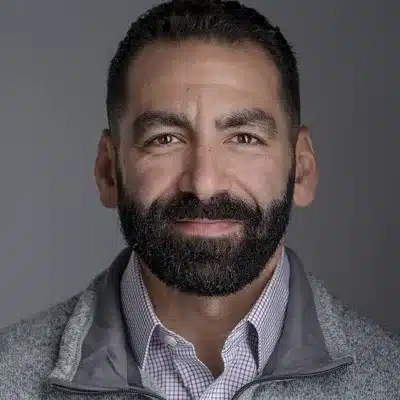
Dan Lorenz, founder of Guerrilla Franchising
Dan has guided 495+ people through the franchise decision. He has been burned by a franchise and has also succeeded with one. He spent 22 years in the Army, 18 of them in Special Forces, and worked as a forensic accountant and strategy consultant at Deloitte. More about Dan.
Frequently asked questions
What are the most reputable cleaning franchises?
A brand’s record is in its FDD. Read the brand’s FDD Item 3 (litigation), Item 4 (bankruptcy), Item 20 (outlets and franchisee lists) and Item 21 (financial statements), then call current and former owners. A brand that holds up on all four and gets good reports from owners has earned its reputation. We do not rank brands.
What are the best home cleaning franchises to invest in?
The best one fits your budget, your market and the role you want. Run every home cleaning brand through the same checks: who supplies the clients, the Item 7 investment, the Item 6 fees, Item 20 turnover and Item 12 territory rights. Zorzee lets you compare brands side by side for free.
What is the difference between a unit and a master cleaning franchise?
With a unit franchise, the franchisor’s regional office usually sells the contracts and handles billing, and you deliver the service. With a territory or master franchise, you control a market area, build the sales team, win the contracts and support the unit franchisees in it. The master model costs more and asks for sales and management skill.
How much does it cost to start a cleaning franchise?
It depends on the brand and the model. Unit franchises usually cost less to start than territory or master franchises. FDD Item 7 gives each brand’s full range. Item 7 usually covers about 3 months of working capital. Dan tells people to plan for 9 to 12.
Is a cleaning franchise a good investment in 2026?
It can be. Demand is steady and much of the work runs on recurring contracts. The IFA projects commercial and residential services to be among the fastest-growing franchise sectors in 2026, at +3.2% year over year. The result still depends on the brand, so read the FDD with your own attorney and accountant.
Who finds the clients in a cleaning franchise?
In many unit models, the franchisor sells the accounts and assigns them to you. In territory and master models, you sell them yourself. Ask who owns the client contract and what happens to it if you leave.
Can I sell a cleaning franchise later?
Usually, if the franchise agreement allows a transfer. FDD Item 17 sets out the transfer terms. A portfolio with documented cash flow under a known brand is easier to sell than an independent cleaning business that depends on its owner.
Sources
- FTC Franchise Rule, 16 CFR 436.5, what FDD Items 3, 4, 6, 7, 12, 17, 20 and 21 must disclose, read November 16, 2026.
- IFA 2026 Franchising Economic Outlook, the +3.2% sector growth projection, read November 16, 2026.
- Zorzee free dossiers for Anago, Jan-Pro, ServiceMaster Clean and Stratus, brand FDD summaries, read November 16, 2026.

You’ve done the AI research. Here’s the part it can’t do.
The Document Is Old. The Decision Is Permanent.
What AI can’t show you about a franchise: the 7 answers that decide whether it gets you your life, and where to find them.
Free instant download. You’ll never pay me a dime.
Ready for a straight answer?
15 minutes. Free. You leave knowing your next step, even if that step is to wait.
Last updated November 16, 2026. Buying a franchise carries risk, including the possible loss of your investment. Review the full FDD with your own attorney and accountant before you sign or pay anything.