
Common Mistakes to Avoid When Buying a Franchise
The costly franchise mistakes happen before you sign. Buyers choose a brand before deciding whether to buy at all. They treat the FDD as the full cost, budget only the working capital Item 7 shows and skip calls to owners who left. Dan Lorenz made one of these himself.
Key takeaways
- Decide whether to buy before you decide which brand. About 1 in 3 people Dan works with buy a franchise. The rest start their own business or stay corporate.
- The FDD is a disclosure, not your budget. Dan’s second franchise had $321K in costs omitted from the FDD.
- Item 7 usually covers about 3 months of working capital. Dan tells people to plan for 9 to 12.
- Call the owners who left. Item 20 lists them, and they have no reason to protect the brand.
- If no location is open yet, nobody can tell you what opening really costs. Price that risk before you sign.
Not sure a franchise is your answer?
A Clarity Call is 15 minutes and free. We look at your budget, your goals and whether a franchise, your own business or your current job fits you best.
Most lists of franchise mistakes say the same things. Do your research. Read the contract. Pick something you care about. That advice is fine, but it skips the mistakes that cost the most money. Those happen in the weeks before you sign, and smart, careful people make them.
This page covers those mistakes, including the one that cost Dan Lorenz, the founder of Guerrilla Franchising, on his own second franchise.
What is the most expensive mistake a franchise buyer can make?
Trusting the Franchise Disclosure Document (FDD) as the complete cost of the business. The FDD is the document a franchisor must give you before you sign. It is useful, and you should read every page. But it shows what the franchisor chose to disclose. It is not a full budget built from what owners actually spent.
“My first franchise, I scaled and sold. My second franchise had $321K in costs that were omitted from the FDD.”
Dan Lorenz, founder of Guerrilla Franchising
Dan signed that second franchise in 2016, while he was still running the first. The costs were omitted. They were never in the document at all, so reading it more carefully would not have found them. Only an owner who had already opened a location could have told him, and none had.
By the time he exited, Dan was carrying a $526K SBA loan and $847K in total exposure, counting the loan, the lease and his personal guarantee.
Why does it matter if no franchise location is open yet?
What Dan learned from his second franchise
200+ investors bought into Dan’s second brand before a single location opened. That meant no owner had run a unit yet. Nobody could say what a buildout really cost. The FDD was the only cost picture anyone had, and $321K was missing from it.
A new brand is not a bad brand. But when no location is open, Item 7 is an estimate that no owner has tested yet. You cannot check it against real openings. So ask the franchisor a direct question: who has opened, and can I call them? If the answer is nobody, you are among the people who will find out what opening really costs. Decide if you can afford that before you sign, not after.
For franchisor warning signs, such as evasive answers, unhappy owners and high turnover, see 6 signs of a poor franchising opportunity.
Are you deciding whether to buy, or only which franchise to buy?
Many buyers start with a shortlist of brands. That skips the first question. Should you own a franchise at all?
There are three good outcomes here: a franchise, your own business, or staying in your W-2 job. About 1 in 3 people Dan works with buy a franchise. The rest start their own business or stay corporate, and that is a fine result. A franchise gives you a tested system and rules you have to follow. Your own business gives you control and no royalty. A W-2 job gives you a paycheck you do not have to fund.
If you are weighing a franchise against starting from scratch, read franchise vs startup: which path builds wealth faster.
Why isn’t the franchise fee the real cost?
The franchise fee in Item 5 is one line. The total initial investment is in Item 7, which covers buildout, equipment, inventory and an additional funds line for your first months. Then Item 6 lists the fees you keep paying for the life of the agreement, such as royalties and brand fund contributions.
Build your own cost picture. Take Item 7 line by line to owners who opened in the last few years. Ask what each line actually cost them. Then model the Item 6 fees against revenue you think is realistic, not the best case. Our guide on how to calculate franchise profit margins before you buy walks through the math.
How much working capital should you really plan for?
More than Item 7 shows. Item 7 usually covers about 3 months of working capital. Dan tells people to plan for 9 to 12. Rent, payroll and your own bills keep coming while the unit ramps up.
If you need help with funding options, read franchise financing 101. For managing cash once you are open, Books Brothers has a guide to small business cash flow.
Who should you call before you sign?
Item 20 lists the franchise’s current owners and the owners who left the system. Most buyers call a few current owners, often the ones the franchisor suggests. Call the ones who left too. They have no reason to protect the brand, so they tend to be the most honest source you have.
Dan once told a buyer to walk away from a brand she had already committed serious money to. The Item 19 numbers were strong and the financials were solid. It was the Item 20 calls that showed the problem.
Item 19, the financial performance section, is still worth reading closely. Our FDD Item 19 checklist covers what to look for. Then test what you read against what owners tell you.
Which franchise mistakes cost the most, and where do you check?
Use this table as a pre-signing check. Each row is a mistake, the place to check it and what to do instead.
| Mistake | Where to check | What to do instead |
|---|---|---|
| Picking a brand before deciding to buy at all | Your goals, budget and job options | Compare a franchise, your own business and staying in your job first |
| Treating the franchise fee as the cost | FDD Item 5 and Item 7 | Budget from the full Item 7 range |
| Treating the FDD as the full cost | Item 7, plus calls to recent openers | Ask owners what each line actually cost them |
| Budgeting only the working capital in Item 7 | The additional funds line in Item 7 | Plan for 9 to 12 months, not about 3 |
| Forgetting the ongoing fees | FDD Item 6 | Model royalties and fund fees against realistic revenue |
| Reading Item 19 as money in your pocket | FDD Item 19 | Subtract fees, rent and payroll before you count anything as yours |
| Calling only the owners the franchisor picks | FDD Item 20 | Call owners who left the system too |
| Buying before any location is open | FDD Item 20 outlet counts | Ask who has opened. If nobody has, price that risk in or wait |
Want a second set of eyes before you sign?
A Clarity Call is 15 minutes and free. Bring the brand you are looking at, and we will go over what to check next.
Is a franchise a good investment?
It can be, for the right person in the right system. It is a bad investment when the buyer skips the steps above. You fund it, you run it and you carry the risk. Whether it is good for you depends on your money, your goals and how well you check the brand before you sign.
If you want a plain overview first, start with buying a franchise: an introduction. Independent FDD summaries for many brands are on Zorzee.
What do clients say about working with Dan?
“Dan was very helpful and diligent when it came to picking out a franchise that would fit my skillset. He was a strong voice to keep me rooted during all of the excitement because it’s easy to get swept up in potential opportunities by reminding me of the things I actually wanted to gain by going down this route. The systems he has in place work well and sticking by them will lead you to your goal faster than I could have by myself.”
“I could not have made the informed and confident decision that I made without Dan’s expert guidance! He helped me learn more about myself, the intricacies of the franchise purchasing process and, most important, aligning my needs and preferences with the RIGHT franchises. Thanks, Dan, for the partnership, insights and consultation. I’m looking forward to my future as a franchisee!”
“Working with Dan was a great experience. He took time to understand me, my unique strengths and vision for what I wanted to accomplish. He presented me with a variety of options and advocated for me in the exploration process. He was clear, insightful and encouraging, but not pushy or just trying to make a sale. Truly a guide and friend. If you are considering buying a franchise, Dan is an incredible resource. I highly recommend his input and perspective. You won’t regret it.”
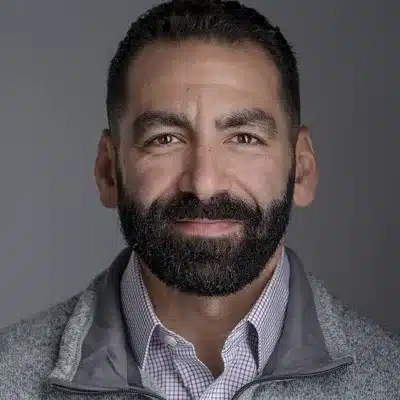
Dan Lorenz, founder of Guerrilla Franchising
Dan has guided 495+ people through the franchise decision. He has been burned by a franchise and has also succeeded with one. He spent 22 years in the Army, 18 of them in Special Forces, and worked as a forensic accountant and strategy consultant at Deloitte. More about Dan.
Frequently asked questions
What is the biggest mistake when buying a franchise?
Treating the FDD as the full cost. The FDD shows what the franchisor disclosed, not what owners actually spent. Dan Lorenz’s second franchise had $321K in costs omitted from the FDD. Check every Item 7 line with owners who have opened.
Is a franchise a good investment?
It can be, if the system fits your money and goals and you check it before you sign. About 1 in 3 people Dan works with buy a franchise. The rest start their own business or stay corporate.
How much working capital do I need for a franchise?
Item 7 usually covers about 3 months of working capital. Dan tells people to plan for 9 to 12.
Should I talk to franchisees who left the system?
Yes. Item 20 of the FDD lists owners who left. They have no reason to protect the brand, so they are often the most honest source you have.
Is it risky to buy a franchise before any location is open?
Yes. With no open location, no owner can tell you what opening really costs, and Item 7 is still an untested estimate. Ask who has opened. If nobody has, decide whether you can afford to be first.
Does it cost anything to talk to Dan?
No. Candidate consulting has no Guerrilla Franchising fee. If you buy a franchise, the franchisor pays FranChoice, which pays Guerrilla Franchising.
Sources
- FTC Franchise Rule, 16 CFR 436.5, what FDD Items 5, 6, 7, 19 and 20 must disclose, read November 17, 2026.
- Guerrilla Franchising, About Dan Lorenz, the $321K omitted from the FDD, the 2016 second franchise and its 200+ investors, 495+ people guided and the 1 in 3 buy rate, read November 17, 2026.
- Guerrilla Franchising, the Clarity Call, Dan’s quote on his first and second franchise and the three outcomes, read November 17, 2026.
- Guerrilla Franchising, commercial cleaning franchise opportunities, Dan’s working capital rule of about 3 months in Item 7 against 9 to 12 months planned, read November 17, 2026.
- Guerrilla Franchising facts file, ops/gf/facts.md L22 and L23, and systems/facts.md L123 and L394, the $526K SBA loan and $847K total exposure (loan, lease and personal guarantee) on exit from the second franchise, read November 17, 2026.

You’ve done the AI research. Here’s the part it can’t do.
The Document Is Old. The Decision Is Permanent.
What AI can’t show you about a franchise: the 7 answers that decide whether it gets you your life, and where to find them.
Free instant download. You’ll never pay me a dime.
Ready for a straight answer?
15 minutes. Free. You leave knowing your next step, even if that step is to wait.
Last updated November 17, 2026. Buying a franchise carries risk, including the possible loss of your investment. Review the full FDD with your own attorney and accountant before you sign or pay anything.