Pizza, Coffee, and Fast Casual Franchise Models Compared

Two smiling cafe workers in aprons standing in a coffee shop

Pizza, Coffee, and Fast Casual Franchise Models Compared

Pizza, coffee, fast casual and healthy food franchises differ in how they sell and what they cost to open. Item 7 totals for the 11 brands here run from $242,200 to $1,769,200, and royalties run from 5% to 6.5%. Pick the model that fits your market and your time.

Book a Franchise Clarity Call

Key takeaways

  • The models sell differently. Pizza leans on delivery and carryout, coffee on quick morning visits, fast casual on counter service at lunch and dinner.
  • Item 7 totals for the 11 brands on this page run from $242,200 to $1,769,200, per their 2026 FDDs.
  • Royalties run from 5% to 6.5% of sales. Little Caesars and Smoothie King also set a minimum.
  • Most Item 7 ranges here are wide. Ask what drives the high end, such as a drive-thru or a freestanding building.
  • No model is better in general. The right one depends on your market, your budget and how many hours you want to work.

Want a straight read on your options?

A Clarity Call is 15 minutes and free. We look at your budget, your goals and whether a franchise, your own business or your current job fits you best.

Book a Franchise Clarity Call

It is easy to start with a cuisine you like. Start with the model behind it instead. A pizza shop, a coffee drive-thru and a sandwich counter need different sites, staff and hours. This page compares four common models using FDD figures. It is not a list of picks. For start up costs across food franchises, see our guide to food franchise cost.

What are the main food franchise models?

  • Pizza. Delivery and carryout, with online ordering and a smaller dining room or none.
  • Coffee. Drinks and light food, often with a drive-thru and a morning rush.
  • Fast casual. Counter service for sandwiches, wings or bowls, with lunch and dinner peaks.
  • Healthy and smoothie. Smoothies, bowls and light meals, with quick counter service.

Each brand sets its own format, so check the FDD and visit locations to confirm how a brand runs.

How do the models compare on cost and fees?

The table shows 11 brands from the free Zorzee dossiers, grouped by model and listed in no particular order within each group. They are examples to research, not picks.

ModelBrandFranchise fee (Item 5)Royalty (Item 6)Total to open (Item 7)
PizzaMarco’s Pizza$25,0005.5% of net royalty sales, may rise to 6%$286,477 to $811,186
PizzaPapa Johns$5,000 to $25,0005% of net sales, 6% for small town restaurants$281,485 to $890,267
PizzaLittle Caesars$20,0006% of gross sales or $300 a week, whichever is greater$376,500 to $1,769,200
CoffeeBiggby Coffee$20,0006% of gross sales$242,200 to $973,000
CoffeeScooter’s Coffee$40,0006% of net sales$1,163,650 to $1,345,750
Fast casualJersey Mike’s$20,0006.5% of gross receipts$436,176 to $1,162,228
Fast casualWingstop$25,0006% of gross sales$310,400 to $1,048,500
Fast casualJimmy John’s$35,0006% of gross sales$366,200 to $733,500
HealthyTropical Smoothie Cafe$35,0006% of gross sales$275,500 to $770,500
HealthyPlaya Bowls$35,0006% of gross sales$281,960 to $1,055,594
HealthySmoothie King$30,0006% of gross sales, with a $500 monthly minimum$329,850 to $683,715

Figures are from each brand’s 2026 FDD as summarized by Zorzee, read November 17, 2026. Marketing fund and technology fees are not shown in the free dossiers, so read Item 6 in full.

Want a second set of eyes on the numbers?

A Clarity Call is 15 minutes and free. Bring the brand or the FDD you are looking at, and we will go over what to check next.

Book a Franchise Clarity Call

How do royalty terms differ between models?

Most brands on this page charge 6% of sales. The differences are in the details.

  • Minimums. Little Caesars charges 6% or $300 a week, whichever is greater. Smoothie King sets a $500 monthly minimum. In a slow start, the minimum can cost more than the percentage.
  • Sales base. Some brands charge on gross sales and others on net sales. Ask each brand how it defines the base.
  • Location type. Papa Johns charges 5% for traditional and non-traditional restaurants and 6% for small town restaurants.
  • Adjustments. Marco’s Pizza charges 5.5%, and its FDD allows an increase to 6%.

What drives the Item 7 range in each model?

Item 7 lists real estate, buildout, equipment and signs as separate lines. A freestanding building with a drive-thru can cost more than an end cap in a strip center. Ask each franchisor which format recent owners opened and what they paid. On this page, Scooter’s Coffee has the narrowest range and Little Caesars has the widest.

Which food franchise model fits you?

  • Your hours. Coffee opens early. Pizza and wings run late. Fast casual peaks at lunch and dinner.
  • Your staff. Delivery needs drivers or a delivery app. Drive-thrus need speed at the window.
  • Your market. Look at what already sits near your likely sites and what is missing.
  • Your budget. Compare Item 7 for the format you would open, not the low end of the range.

Whichever model you pick, the supply chain matters. Our guide to food franchise supply chains covers what to check.

How do you compare models before you buy?

  1. Get the current FDD for each brand. You receive it at least 14 calendar days before you sign or pay, under the FTC Franchise Rule.
  2. Line up Items 5, 6 and 7 for the format you would open.
  3. Visit locations of each model at their busy hours and their slow hours.
  4. Call owners from each brand’s Item 20 list. Ask about staffing, hours and how long it took to cover costs.
  5. Plan working capital. Item 7 usually covers about 3 months. Dan tells people to plan for 9 to 12. For help mapping cash month by month, see the free Books Brothers cash flow playbook.

How can Dan help?

Dan Lorenz works with 250+ franchise brands and has guided 495+ people through the franchise decision. About 1 in 3 people he works with buy a franchise. The rest start their own business or stay in their job. For more food brands, see our food franchise opportunities page.

What do clients say about working with Dan?

“Working with Dan was such a great experience. Every conversation felt easy, like talking to a friend, supporting me every step of the way. He listened, kept things honest, and wasn’t afraid to tell it like it is (I needed this a couple times when I was getting in my own head). He was also super responsive, professional, and helped me land the opportunity of my dreams with an incredible franchise brand. I’d recommend him to anyone in a heartbeat.”

Becky C., Texas | Text message to Dan

“Dan was very helpful and diligent when it came to picking out a franchise that would fit my skillset. He was a strong voice to keep me rooted during all of the excitement because it’s easy to get swept up in potential opportunities by reminding me of the things I actually wanted to gain by going down this route. The systems he has in place work well and sticking by them will lead you to your goal faster than I could have by myself.”

Dan D., Michigan | Text message to Dan

“What sets Dan apart is that he’s in your corner, not the franchisor’s. He explained how franchise sales organizations work, what franchisors actually look for in candidates, and what quietly works against you. When my confidence in one brand started to slip, he took my concerns seriously instead of pushing me to close.”
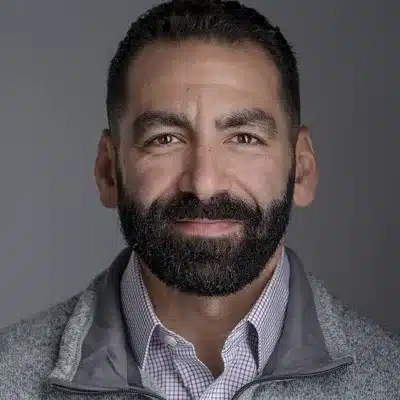
Juan Andion | Google review

Read more client reviews

Headshot of Dan Lorenz, franchise consultant and founder of Guerrilla Franchising

Dan Lorenz, founder of Guerrilla Franchising

Dan has guided 495+ people through the franchise decision. He has been burned by a franchise and has also succeeded with one. He spent 22 years in the Army, 18 of them in Special Forces, and worked as a forensic accountant and strategy consultant at Deloitte. More about Dan.

LinkedIn | YouTube

Frequently asked questions

What are the main types of food franchises?

Common models include pizza, coffee, fast casual and healthy or smoothie concepts. They differ in how they sell, their hours and the sites they need.

How much does a food franchise cost to open?

Item 7 totals for the 11 brands on this page run from $242,200 to $1,769,200. The format you open, such as a drive-thru or an end cap, moves you within each range.

What royalty do food franchises charge?

The brands on this page charge 5% to 6.5% of sales. Little Caesars and Smoothie King also set a minimum.

Which food franchise model should I choose?

No model wins in general. Pick the model that fits your market, your budget and the hours you want to work, then compare brands within it.

Does it cost anything to talk to Dan?

No. Candidate consulting has no Guerrilla Franchising fee. If you buy a franchise, the franchisor pays FranChoice, which pays Guerrilla Franchising.

Sources

What AI Can’t Show You About a Franchise ebook cover by Dan Lorenz

You’ve done the AI research. Here’s the part it can’t do.

The Document Is Old. The Decision Is Permanent.

What AI can’t show you about a franchise: the 7 answers that decide whether it gets you your life, and where to find them.

Get the 7 Answers

Free instant download. You’ll never pay me a dime.

Ready for a straight answer?

15 minutes. Free. You leave knowing your next step, even if that step is to wait.

Book a Franchise Clarity Call

Last updated November 17, 2026. Buying a franchise carries risk, including the possible loss of your investment. Review the full FDD with your own attorney and accountant before you sign or pay anything.

How to Evaluate Food Franchise Supply Chains

Two women smiling and pointing at food in a restaurant display case

How to Evaluate Food Franchise Supply Chains

To evaluate a food franchise supply chain, read Item 8 of the FDD for required suppliers and whether the franchisor earns money on your purchases. Then ask who the distributor is, how prices change and what happened in past shortages. Owners from Item 20 can confirm it.

Book a Franchise Clarity Call

Key takeaways

  • Item 8 lists what you must buy from the franchisor or approved suppliers, and whether the franchisor or its affiliates earn revenue from those purchases.
  • Approved supplier prices feed straight into your food cost.
  • Ask who the distributor is, how often it delivers, what the minimum order is and how price changes are passed on.
  • Ask what happened during the last shortage or recall, and how the system kept menus running.
  • Owners from the Item 20 list are the check on delivery, pricing and quality.

Want a straight read on your options?

A Clarity Call is 15 minutes and free. We look at your budget, your goals and whether a franchise, your own business or your current job fits you best.

Book a Franchise Clarity Call

In a food franchise you do not choose most of your ingredients or vendors. The franchisor does. That keeps the food consistent across locations, and it also means the franchisor’s supply decisions affect your costs every week. This page covers how to evaluate that supply chain before you buy. For start up costs, see our guide to food franchise cost.

What is a food franchise supply chain?

It is every step that gets food and supplies to your restaurant. That includes the specs for each ingredient, the approved manufacturers, the distributor that delivers to you, the ordering system and the rules for substitutions. Packaging, cleaning supplies and small equipment usually run through the same system.

Which FDD items show the supply chain?

FDD itemWhat it shows about supplyWhat to ask
Item 8Required purchases, approved suppliers and whether the franchisor or affiliates earn revenue from themHow much did the franchisor earn from supplier purchases last year?
Item 6Ongoing fees, which can include technology or ordering system feesAre there fees tied to ordering or distribution?
Item 7Opening inventory and small equipment as start up linesWhat did recent owners spend on their first orders?
Item 11Franchisor support before and after openingWho helps you set up supplier accounts and fix delivery problems?
Item 20Openings, closures and the list of current and former ownersWhich owners can you call about deliveries and prices?
Item 21The franchisor’s financial statementsHow much of its revenue comes from supplier rebates or product sales?

Read Item 8 twice. If the franchisor earns money from your purchases, find out how much and from which suppliers.

Want a second set of eyes on the numbers?

A Clarity Call is 15 minutes and free. Bring the brand or the FDD you are looking at, and we will go over what to check next.

Book a Franchise Clarity Call

How do you judge ingredient consistency?

Consistency is why the franchise has supply rules. Ask how the franchisor sets ingredient specs, how it checks suppliers and what happens when a supplier fails a check. Ask whether you can buy locally when the distributor is short, and who approves the substitute. Look at a few locations as a customer and see whether the menu matches.

What should you check in vendor and distributor contracts?

  • Who signs. Some systems have one national distribution deal. In others, each owner signs with the distributor.
  • Delivery. How often trucks come, the order cutoff and the minimum order.
  • Pricing. How prices are set, how often they change and whether you see the cost before you order.
  • Fees. Delivery fees, fuel surcharges and late payment terms.
  • Exit. What happens if you sell the restaurant or the distributor changes.

Have your franchise attorney read any distributor agreement you have to sign. Ask the franchisor for a copy before you sign the franchise agreement.

What happens during shortages and recalls?

Ask the franchisor what happened during the last ingredient shortage or recall. How did it tell owners, what did it substitute and who paid for the waste? Ask owners the same question.

How does the supply chain affect cash flow?

You pay for food and packaging on the distributor’s terms, often before you have steady sales. Ask about payment terms with the distributor and whether new owners get credit. Item 7 usually covers about 3 months of working capital. Dan tells people to plan for 9 to 12. For help mapping cash month by month, see the free Books Brothers cash flow playbook.

The same questions apply outside food. Our guide to retail franchise inventory and supply chains uses a similar method.

How do you check the supply chain before you buy?

  1. Get the current FDD. You receive it at least 14 calendar days before you sign or pay, under the FTC Franchise Rule.
  2. Read Item 8 in full, including any supplier revenue the franchisor reports.
  3. Ask for the distributor’s name, the delivery schedule and a sample invoice.
  4. Call owners from the Item 20 list. Ask about missed deliveries, price changes and substitutions.
  5. Have a franchise attorney review the franchise agreement and any supplier contracts.

How can Dan help?

Dan Lorenz works with 250+ franchise brands and has guided 495+ people through the franchise decision. About 1 in 3 people he works with buy a franchise. The rest start their own business or stay in their job. To compare food concepts first, see our guide to food franchise models compared.

What do clients say about working with Dan?

“Working with Dan was such a great experience. Every conversation felt easy, like talking to a friend, supporting me every step of the way. He listened, kept things honest, and wasn’t afraid to tell it like it is (I needed this a couple times when I was getting in my own head). He was also super responsive, professional, and helped me land the opportunity of my dreams with an incredible franchise brand. I’d recommend him to anyone in a heartbeat.”

Becky C., Texas | Text message to Dan

“I could not have made the informed and confident decision that I made without Dan’s expert guidance! He helped me learn more about myself, the intricacies of the franchise purchasing process and, most important, aligning my needs and preferences with the RIGHT franchises. Thanks, Dan, for the partnership, insights and consultation. I’m looking forward to my future as a franchisee!”

Brent B., Tennessee | Text message to Dan

“Working with Dan was a great experience. He took time to understand me, my unique strengths and vision for what I wanted to accomplish. He presented me with a variety of options and advocated for me in the exploration process. He was clear, insightful and encouraging, but not pushy or just trying to make a sale. Truly a guide and friend. If you are considering buying a franchise, Dan is an incredible resource. I highly recommend his input and perspective. You won’t regret it.”

Greg Ligon | Google review

Read more client reviews

Headshot of Dan Lorenz, franchise consultant and founder of Guerrilla Franchising

Dan Lorenz, founder of Guerrilla Franchising

Dan has guided 495+ people through the franchise decision. He has been burned by a franchise and has also succeeded with one. He spent 22 years in the Army, 18 of them in Special Forces, and worked as a forensic accountant and strategy consultant at Deloitte. More about Dan.

LinkedIn | YouTube

Frequently asked questions

What is a food franchise supply chain?

It is every step that gets food and supplies to your restaurant, including ingredient specs, approved suppliers, the distributor and the ordering system.

Where does the FDD describe the supply chain?

Item 8 lists required purchases and approved suppliers, and whether the franchisor or its affiliates earn revenue from them. Items 6, 7, 11 and 21 add detail.

Can I buy ingredients from my own suppliers?

Usually only with approval. Item 8 explains the rules for required purchases and how to get a new supplier approved.

What should I ask owners about the supply chain?

Ask about missed deliveries, price changes, substitutions and how the franchisor handled the last shortage or recall.

Does it cost anything to talk to Dan?

No. Candidate consulting has no Guerrilla Franchising fee. If you buy a franchise, the franchisor pays FranChoice, which pays Guerrilla Franchising.

Sources

  • FTC Franchise Rule, 16 CFR 436.2, the 14 calendar day disclosure rule, and 16 CFR 436.5, what Items 6, 7, 8, 11, 20 and 21 must disclose, read November 17, 2026.
  • Dan Lorenz’s own experience and client records: 250+ brands, 495+ people guided, the 1 in 3 buy rate and his rule that Item 7 usually covers about 3 months of working capital while owners should plan for 9 to 12, read November 17, 2026.
What AI Can’t Show You About a Franchise ebook cover by Dan Lorenz

You’ve done the AI research. Here’s the part it can’t do.

The Document Is Old. The Decision Is Permanent.

What AI can’t show you about a franchise: the 7 answers that decide whether it gets you your life, and where to find them.

Get the 7 Answers

Free instant download. You’ll never pay me a dime.

Ready for a straight answer?

15 minutes. Free. You leave knowing your next step, even if that step is to wait.

Book a Franchise Clarity Call

Last updated November 17, 2026. Buying a franchise carries risk, including the possible loss of your investment. Review the full FDD with your own attorney and accountant before you sign or pay anything.

How Much Does a Food Franchise Cost in 2026

Two smiling cafe workers in aprons shaking hands behind a coffee counter

How Much Does a Food Franchise Cost in 2026

A food franchise costs about $263,000 to $2,807,000 to open, based on the 2026 FDD Item 7 ranges on this page. Franchise fees run $15,000 to $45,000 and royalties run 5% to 8% of sales. Build out, equipment and working capital are most of the total.

Book a Franchise Clarity Call

Key takeaways

  • The franchise fee is a small part of the cost. Build out, equipment and working capital drive the total.
  • The 2026 FDD Item 7 ranges below run from $263,000 (Subway, low end) to $2,807,000 (McDonald’s, high end).
  • Royalties in these examples run 5% to 8% of sales, plus marketing fund fees.
  • Item 7 usually covers about 3 months of working capital. Dan tells people to plan for 9 to 12.
  • Check Item 19 and owner calls before you trust any sales figure.

Want a straight read on your options?

A Clarity Call is 15 minutes and free. We look at your budget, your goals and whether a franchise, your own business or your current job fits you best.

Book a Franchise Clarity Call

This page covers what a food franchise costs to open and run. If you are browsing brands, see our guide to food franchises for sale and the food franchise opportunities hub. For costs across all industries, see our franchise start up costs breakdown.

What goes into the cost of a food franchise?

Item 7 of the Franchise Disclosure Document (FDD) lists the estimated total to open. For a food franchise, it usually includes:

  • Franchise fee. Paid when you sign, listed in Item 5.
  • Real estate and build out. Lease deposits, construction and signs. This is often the biggest line.
  • Kitchen equipment. Ovens, fryers, refrigeration and point of sale systems.
  • Opening inventory and supplies. Food, packaging and smallwares.
  • Training and travel. Getting you and your managers through the franchisor’s program.
  • Working capital. Cash to cover payroll and bills while sales build.

How much do popular food franchises cost to open?

The examples below come from the free Zorzee dossiers, listed in no particular order. They show the range, not a ranking.

BrandFranchise fee (Item 5)Total to open (Item 7)Royalty
Subway$15,000$263,000 to $630,0008%
Tropical Smoothie Cafe$35,000$275,500 to $770,5006%
Wingstop$25,000$310,400 to $1,048,5006%
Jimmy John’s$35,000$366,200 to $733,5006%
Jersey Mike’s$20,000$436,176 to $1,162,2286.5%
Nothing Bundt Cakes$45,000$475,200 to $994,1006%
Firehouse Subs$20,000$767,950 to $1,577,7506%
McDonald’s$45,000$1,472,000 to $2,807,0005%

All figures are from each brand’s 2026 FDD as summarized by Zorzee, read November 17, 2026. Ranges depend on format, size and whether you build new or convert a site.

Want a second set of eyes on the numbers?

A Clarity Call is 15 minutes and free. Bring the brand or the FDD you are looking at, and we will go over what to check next.

Book a Franchise Clarity Call

What are the ongoing costs of a food franchise?

Item 6 lists the fees you pay after you open. Expect:

  • Royalties. A percentage of sales, 5% to 8% in the examples above.
  • Marketing fund fees. Another percentage of sales for brand advertising.
  • Technology fees. Point of sale, online ordering and app fees.
  • Food and labor. Not franchise fees, but your two largest monthly costs.
  • Rent. Set by your lease, not the franchisor.

Royalties come off sales, not profit. Model them at your expected sales before you sign. Our guide on calculating franchise profit margins shows how.

How much working capital do you need for a food franchise?

Item 7 usually covers about 3 months of working capital. Dan tells people to plan for 9 to 12. Food businesses carry payroll from day one, so a slow opening can drain cash fast. Ask owners how long it took before sales covered their costs. For help mapping cash month by month, see the free Books Brothers cash flow playbook.

Why do food franchise costs vary so much?

  • Format. A kiosk or non traditional site costs less than a freestanding building with a drive thru.
  • Build new or convert. Converting an old restaurant can cut build out costs.
  • Market. Rent and construction cost more in large metro areas.
  • Kitchen. Fryers, hoods and grills add cost compared with cold prep concepts.

How do you check a food franchise’s costs before you buy?

Read Items 5, 6, 7, 19 and 20 of the FDD. Then call current and former owners from the Item 20 lists and ask what they really spent to open. Have a franchise attorney and an accountant review the agreement and your numbers. Federal rules give you at least 14 calendar days with the FDD before you sign or pay. Our guide to food franchise supply chains covers vendor contracts, which also affect your costs.

Dan Lorenz has guided 495+ people through the franchise decision and works with 250+ brands, including food concepts.

What do clients say about working with Dan?

“I could not have made the informed and confident decision that I made without Dan’s expert guidance! He helped me learn more about myself, the intricacies of the franchise purchasing process and, most important, aligning my needs and preferences with the RIGHT franchises. Thanks, Dan, for the partnership, insights and consultation. I’m looking forward to my future as a franchisee!”

Brent B., Tennessee | Text message to Dan

“Working with Dan was such a great experience. Every conversation felt easy, like talking to a friend, supporting me every step of the way. He listened, kept things honest, and wasn’t afraid to tell it like it is (I needed this a couple times when I was getting in my own head). He was also super responsive, professional, and helped me land the opportunity of my dreams with an incredible franchise brand. I’d recommend him to anyone in a heartbeat.”

Becky C., Texas | Text message to Dan

“Dan was very helpful and diligent when it came to picking out a franchise that would fit my skillset. He was a strong voice to keep me rooted during all of the excitement because it’s easy to get swept up in potential opportunities by reminding me of the things I actually wanted to gain by going down this route. The systems he has in place work well and sticking by them will lead you to your goal faster than I could have by myself.”

Dan D., Michigan | Text message to Dan

Read more client reviews

Headshot of Dan Lorenz, franchise consultant and founder of Guerrilla Franchising

Dan Lorenz, founder of Guerrilla Franchising

Dan has guided 495+ people through the franchise decision. He has been burned by a franchise and has also succeeded with one. He spent 22 years in the Army, 18 of them in Special Forces, and worked as a forensic accountant and strategy consultant at Deloitte. More about Dan.

LinkedIn | YouTube

Frequently asked questions

How much does a food franchise cost?

The 2026 FDD Item 7 ranges on this page run from $263,000 to $2,807,000 to open, depending on brand, format and market.

What is the cheapest food franchise to open?

Among the examples here, Subway has the lowest Item 7 range, starting at $263,000. Kiosk and non traditional formats can cost less than full restaurants.

What fees does a food franchise charge after opening?

Royalties of 5% to 8% of sales in these examples, plus marketing fund and technology fees. Item 6 of the FDD lists them.

How much working capital does a food franchise need?

Item 7 usually covers about 3 months. Dan tells people to plan for 9 to 12.

Does it cost anything to talk to Dan?

No. Candidate consulting has no Guerrilla Franchising fee. If you buy a franchise, the franchisor pays FranChoice, which pays Guerrilla Franchising.

Sources

What AI Can’t Show You About a Franchise ebook cover by Dan Lorenz

You’ve done the AI research. Here’s the part it can’t do.

The Document Is Old. The Decision Is Permanent.

What AI can’t show you about a franchise: the 7 answers that decide whether it gets you your life, and where to find them.

Get the 7 Answers

Free instant download. You’ll never pay me a dime.

Ready for a straight answer?

15 minutes. Free. You leave knowing your next step, even if that step is to wait.

Book a Franchise Clarity Call

Last updated November 17, 2026. Buying a franchise carries risk, including the possible loss of your investment. Review the full FDD with your own attorney and accountant before you sign or pay anything.