
Multi-Unit Franchising in 2026: How to Scale From One Location to Many
Multi-unit franchising means one owner runs two or more units of the same brand, often under a development agreement that sets how many to open and by when. It can spread overhead across locations, but it adds debt, hiring and deadline risk. Most owners prove one unit first.
Key takeaways
- A multi-unit owner runs two or more locations of one brand. A development agreement usually sets a schedule.
- Some brands lower the per unit fee when you commit to more units. Burn Boot Camp’s fee drops from $60,000 to $35,000 per location at 10 or more.
- Missing a development schedule can cost you your territory rights. Read Item 12 and the agreement closely.
- More units mean more debt, more managers and more cash tied up before each one breaks even.
- Item 7 usually covers about 3 months of working capital per unit. Dan tells people to plan for 9 to 12.
Want a straight read on your options?
A Clarity Call is 15 minutes and free. We look at your budget, your goals and whether a franchise, your own business or your current job fits you best.
Many franchise owners start with one location and later wonder about a second. Others sign up for several units from day one. Both routes exist, and both carry real risk. This guide explains how multi-unit franchising works, what it costs, what can go wrong and how to decide whether it fits you. It is written for franchise buyers. If you own a brand and want to grow it, see our franchise growth strategy page instead.
What is multi-unit franchising?
Multi-unit franchising is when one franchisee owns and runs more than one unit of the same brand. There are a few common setups.
- Adding units one at a time. You buy a second franchise after the first is running, under a new franchise agreement.
- Development agreement. You commit up front to open a set number of units in a territory on a schedule, and pay a development fee.
- Area developer or master franchise. In some systems you sell or support units for others in a region. That is a different business and has its own disclosure.
How do multi-unit fees work?
Item 5 of the Franchise Disclosure Document (FDD) explains any development fee. The structures differ a lot. The examples below come from the free Zorzee dossiers, listed in no particular order. They are examples, not picks.
| Brand | Multi-unit fee in Item 5 |
|---|---|
| Burn Boot Camp | Tiered per location: $60,000 each for 1 to 2, $45,000 for 3 to 5, $40,000 for 6 to 9 and $35,000 for 10 or more, paid in full when the agreement is signed |
| Seniors Helping Seniors | $55,000 for the first business, $40,000 for the second and $35,000 for the third and each one after |
| Nothing Bundt Cakes | $45,000 for the first bakery plus $22,500 for each additional bakery |
| Pure Barre | $10,000 for each studio after the first, for example $20,000 to develop 3, applied toward later franchise fees |
| StretchLab | Minimum of 3 studios, $10,000 for each studio after the first, applied toward later franchise fees |
All figures are from each brand’s 2026 FDD, Item 5, as summarized by Zorzee, read November 17, 2026. Lower per unit fees are a small part of the cost. Each unit still needs its own Item 7 budget.
Want a second set of eyes on the numbers?
A Clarity Call is 15 minutes and free. Bring the brand or the FDD you are looking at, and we will go over what to check next.
What are the benefits of owning more than one unit?
- Shared overhead. One back office, one bookkeeper and one marketing plan can serve several locations.
- Staff depth. Staff can move between units, and strong managers have room to grow.
- Territory. A development agreement can reserve an area before someone else buys it.
- Buying power. Larger owners may get better terms from landlords and suppliers.
None of these guarantee a better result. They only help if each unit covers its own costs.
What are the risks?
- Debt and cash. Each new unit needs its own build out and working capital before it covers its costs. Item 7 usually covers about 3 months per unit. Dan tells people to plan for 9 to 12.
- Development deadlines. If you miss the schedule, many agreements let the franchisor cut your territory or end your rights. Development fees are often non-refundable.
- Management. You stop running a location and start running managers. That is a different job.
- Personal guarantees. More leases and loans can mean more personal exposure. Dan faced a $526K SBA loan and $847K in total exposure, including the loan, lease and personal guarantee, on exit from his second franchise.
When does it make sense to add a unit?
- Your first unit covers its own costs and pays you, with steady numbers for several months.
- You have a manager who can run it without you there every day.
- You have working capital for the new unit without draining the first.
- Your lender, landlord and franchisor all support the plan.
- Owners in the system who run several units tell you the model scales.
How do you check a brand for multi-unit ownership?
- Item 5. Development fees and whether they are refundable or credited.
- Item 12. Territory rights and what happens if you miss the schedule.
- Item 20. Openings, closures and transfers. Ask the franchisor which owners run several units and call them.
- The development agreement. Have a franchise attorney read it. You get the FDD at least 14 calendar days before you sign or pay, under the FTC Franchise Rule.
Buying your first unit? Start with our guide on how to buy a franchise. Still weighing a franchise against your own business? See franchise vs startup.
How can Dan help?
Dan Lorenz works with 250+ franchise brands and has guided 495+ people through the franchise decision. About 1 in 3 people he works with buy a franchise. The rest start their own business or stay in their job.
What do clients say about working with Dan?
“Dan was very helpful and diligent when it came to picking out a franchise that would fit my skillset. He was a strong voice to keep me rooted during all of the excitement because it’s easy to get swept up in potential opportunities by reminding me of the things I actually wanted to gain by going down this route. The systems he has in place work well and sticking by them will lead you to your goal faster than I could have by myself.”
“I could not have made the informed and confident decision that I made without Dan’s expert guidance! He helped me learn more about myself, the intricacies of the franchise purchasing process and, most important, aligning my needs and preferences with the RIGHT franchises. Thanks, Dan, for the partnership, insights and consultation. I’m looking forward to my future as a franchisee!”
“What sets Dan apart is that he’s in your corner, not the franchisor’s. He explained how franchise sales organizations work, what franchisors actually look for in candidates, and what quietly works against you. When my confidence in one brand started to slip, he took my concerns seriously instead of pushing me to close.”
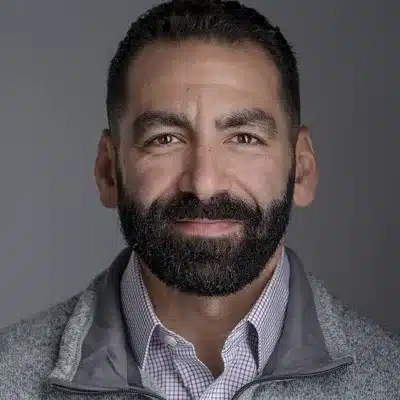
Dan Lorenz, founder of Guerrilla Franchising
Dan has guided 495+ people through the franchise decision. He has been burned by a franchise and has also succeeded with one. He spent 22 years in the Army, 18 of them in Special Forces, and worked as a forensic accountant and strategy consultant at Deloitte. More about Dan.
Frequently asked questions
What is a multi-unit franchise?
It is an arrangement where one franchisee owns two or more units of the same brand, either added one at a time or under a development agreement with a set schedule.
Is multi-unit franchising more profitable?
Not automatically. Shared overhead can help, but each unit adds debt, staff and risk. Results depend on how each location performs.
Do franchisors discount fees for multiple units?
Some do. In their 2026 FDDs, Burn Boot Camp and Seniors Helping Seniors lower the fee for each additional unit. Others charge a separate development fee.
What happens if I miss my development schedule?
It depends on the agreement. Many allow the franchisor to reduce your territory or end your development rights, and development fees are often non-refundable.
Does it cost anything to talk to Dan?
No. Candidate consulting has no Guerrilla Franchising fee. If you buy a franchise, the franchisor pays FranChoice, which pays Guerrilla Franchising.
Sources
- Zorzee free dossiers for Burn Boot Camp, Seniors Helping Seniors, Nothing Bundt Cakes, Pure Barre and StretchLab, 2026 FDD Item 5, read November 17, 2026.
- FTC Franchise Rule, 16 CFR 436.2, the 14 calendar day disclosure rule, and 16 CFR 436.5, what Items 5, 7, 12 and 20 must disclose, read November 17, 2026.
- Dan Lorenz’s own experience and client records: 250+ brands, 495+ people guided, the 1 in 3 buy rate, the $526K SBA loan and $847K total exposure, and his rule that Item 7 usually covers about 3 months of working capital while owners should plan for 9 to 12, read November 17, 2026.

You’ve done the AI research. Here’s the part it can’t do.
The Document Is Old. The Decision Is Permanent.
What AI can’t show you about a franchise: the 7 answers that decide whether it gets you your life, and where to find them.
Free instant download. You’ll never pay me a dime.
Ready for a straight answer?
15 minutes. Free. You leave knowing your next step, even if that step is to wait.
Last updated November 17, 2026. Buying a franchise carries risk, including the possible loss of your investment. Review the full FDD with your own attorney and accountant before you sign or pay anything.